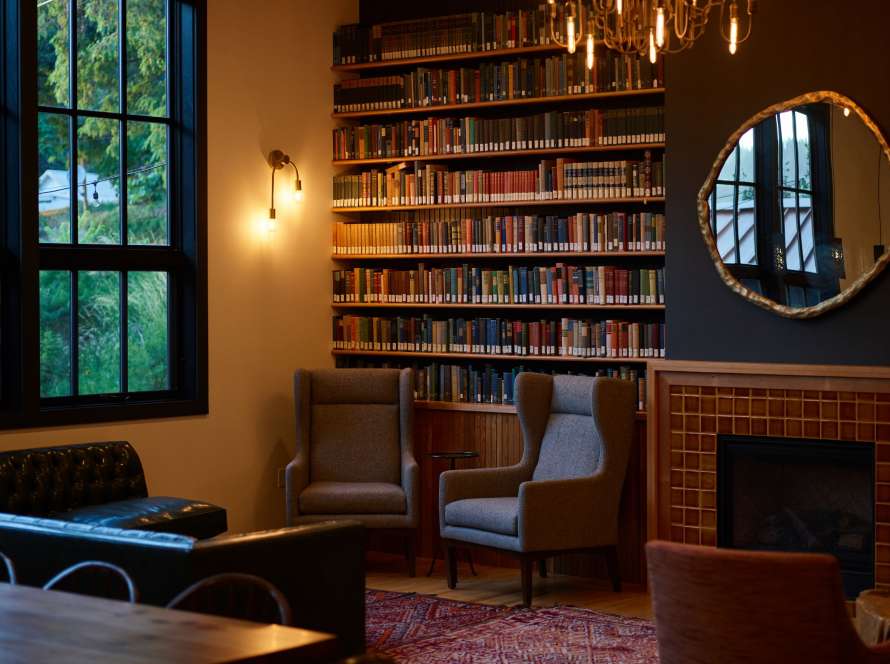
European interior design has long been admired for its timeless elegance, architectural character, and thoughtful attention to detail. From the romantic charm of French country homes to the clean sophistication of Scandinavian minimalism, European styles offer a rich blend of tradition and modern living. What makes European interiors so appealing is their balance between beauty and function. Spaces often feel curated yet comfortable, refined yet welcoming. Natural materials, subtle color palettes, and architectural details such as moldings, high ceilings, and large windows are common features across many European homes. At the same time, modern European design embraces simplicity, sustainability, and practical layouts that suit contemporary lifestyles. Whether someone prefers a classic old-world aesthetic or a sleek modern look, European interior design offers versatile inspiration. This article explores key European interior styles, their defining characteristics, and how homeowners can incorporate these influences into their own spaces for a refined and harmonious home environment.
French Country: Rustic Elegance and Warmth
French country design captures the charm of rural homes in southern France. It combines rustic elements with refined details, creating interiors that feel warm and inviting.
Natural materials play a major role in this style. Exposed wooden beams, stone walls, and distressed wood furniture add texture and character. Soft, neutral tones such as cream, beige, and muted blue dominate the palette.
Furniture often features curved lines and antique finishes. Upholstered chairs, carved cabinets, and vintage-inspired lighting enhance the romantic atmosphere.
Floral patterns, linen fabrics, and ceramic décor bring softness to the space without overwhelming it.
French country interiors are about balance. They feel elegant but not formal, cozy but not cluttered.
In many home and garden european interior design ideas, French country style is praised for blending rustic simplicity with timeless sophistication.
Scandinavian Minimalism: Light, Function, and Simplicity
Scandinavian design has become globally popular due to its clean lines, functional layouts, and bright spaces. Originating from Nordic countries, this style focuses on simplicity and practicality.
White and light neutral colors dominate Scandinavian interiors. Large windows and minimal window treatments allow natural light to fill the space.
Furniture is typically streamlined and functional. Pieces often feature natural wood finishes and subtle textures.
Scandinavian interiors emphasize “less is more.” Clutter is minimized, and décor is carefully chosen.
Textiles such as wool throws and soft rugs add warmth without compromising simplicity.
In many stylish living space inspiration guides, Scandinavian design is described as ideal for modern homes that value comfort, organization, and calm aesthetics.
Italian Classic: Luxury and Architectural Detail
Italian interior design reflects a history of art, architecture, and craftsmanship. Traditional Italian interiors often showcase ornate details and rich materials.
Marble flooring, decorative moldings, and grand chandeliers create a sense of luxury. Warm earth tones such as terracotta, deep brown, and gold accents are commonly used.
Furniture pieces are often bold and expressive, featuring carved wood and upholstered fabrics in velvet or silk.
Italian design also values symmetry and proportion, ensuring each space feels balanced and harmonious.
Modern Italian interiors, however, combine luxury with sleek lines and contemporary materials, maintaining elegance without excessive decoration.
In many home and garden european interior design ideas, Italian style is described as sophisticated and dramatic, offering both tradition and modern refinement.
English Traditional: Cozy and Layered
English interior design is known for comfort, layering, and rich textures. It often features darker wood furniture, patterned fabrics, and classic décor elements.
Deep color palettes such as forest green, burgundy, and navy create cozy, intimate atmospheres. Wallpaper and floral prints are common in traditional English homes.
Furniture tends to be sturdy and upholstered, with leather sofas and wingback chairs adding character.
Bookshelves, framed art, and antique décor pieces contribute to a lived-in feel.
Unlike minimalist styles, English interiors embrace layering and detail, making rooms feel personal and welcoming.
In many stylish living space inspiration discussions, English traditional design is appreciated for its warmth and storytelling qualities.
Mediterranean Style: Sun-Kissed and Relaxed
Mediterranean design draws inspiration from countries such as Spain, Greece, and coastal Italy. It reflects warm climates and outdoor living.
This style features earthy tones, textured walls, and natural materials like terracotta tiles and wrought iron.
Arched doorways, mosaic tiles, and wooden ceiling beams are common architectural elements.
Furniture is often simple yet sturdy, with linen fabrics and neutral cushions creating relaxed comfort.
Indoor and outdoor spaces flow seamlessly, encouraging natural ventilation and light.
In many home and garden european interior design ideas, Mediterranean style is celebrated for its relaxed elegance and connection to nature.
Modern European Fusion: Blending Old and New
Modern European design often blends historical architecture with contemporary furniture and décor.
In many European cities, apartments feature original moldings and high ceilings paired with minimalist furnishings and modern art.
Neutral color schemes dominate, but bold accent pieces add personality.
Open-plan layouts and smart storage solutions reflect modern lifestyle needs while preserving architectural charm.
This fusion style allows homeowners to respect tradition while embracing current design trends.
In many stylish living space inspiration resources, modern European fusion is described as adaptable and versatile, suitable for both urban apartments and suburban homes.
Conclusion
European interior design remains influential because it combines timeless elegance with practical living solutions. Whether inspired by the rustic warmth of French country homes, the simplicity of Scandinavian minimalism, the luxury of Italian classics, the coziness of English traditional spaces, or the relaxed beauty of Mediterranean design, each style offers distinct character and atmosphere. Modern European interiors often blend these influences, creating spaces that feel both historical and contemporary. What unites these styles is attention to quality materials, thoughtful layouts, and an appreciation for balance between comfort and sophistication. European design encourages homeowners to create spaces that reflect personality while maintaining harmony and refinement. By incorporating architectural details, natural textures, and curated furnishings, individuals can bring European charm into their own homes. The result is a living environment that feels elegant yet livable, stylish yet welcoming—proving why European interior design continues to inspire homeowners around the world.